


What Is Saffron?
Saffron is a botanical ingredient derived from the dried red stigmas of Crocus sativus L., a flowering plant in the iris family. Harvested by hand and prized for its unique composition, saffron contains bioactive compounds such as crocin, crocetin, safranal, and picrocrocin that contribute to its health-supporting properties.
Traditionally used across Persia, India, and the Mediterranean, saffron is now widely studied for its potential role in mood support, sleep quality, appetite regulation, and antioxidant defense. Most saffron supplements use standardized saffron extract to ensure consistent levels of active compounds, and clinical research has evaluated its benefits in more than 30 randomized controlled trials.
Quick Facts About Saffron
|
Attribute |
Details |
|
Ingredient Type |
Botanical Extract |
|
Botanical Name |
Crocus sativus L. |
|
Active Compounds |
Crocin, Crocetin, Safranal, Picrocrocin |
|
Common Benefits |
Mood Support, Sleep Quality, Appetite Control, Antioxidant Protection |
|
Typical Dosage |
15–30 mg daily (standardized extract) |
|
Supplement Forms |
Capsules, Tablets, Powders |
|
Common Uses |
Mood, Stress, Sleep, Weight Management |
How Does Saffron Work?
Saffron extract exerts its effects through multiple overlapping biological pathways. Rather than acting on a single receptor or enzyme, its bioactive compounds work in concert across neurotransmitter systems, inflammatory cascades, and metabolic processes.
Serotonin and Neurotransmitter Modulation
Safranal and crocin appear to slow the reabsorption of serotonin in the brain, keeping this mood-regulating neurotransmitter active in synaptic gaps for longer. Serotonin also serves as a precursor to melatonin, which may partly explain saffron's influence on sleep quality. Crocin has additionally been observed to modulate dopamine and norepinephrine activity in preclinical models.
Antioxidant and Anti-Inflammatory Activity
Crocin and crocetin are carotenoid pigments with well-documented antioxidant properties. They help neutralize reactive oxygen species and support the Nrf2 signaling pathway, a key cellular defense mechanism against oxidative stress and inflammation. Chronic low-grade inflammation is increasingly recognized as a contributing factor in mood disorders, metabolic dysfunction, and accelerated aging.
Appetite and Satiety Signaling
Saffron's influence on serotonin pathways may also support appetite regulation. Serotonin plays a central role in satiety signaling, and by modulating serotonin availability, saffron extract may help reduce compulsive snacking and support a feeling of fullness between meals. Clinical research has specifically evaluated this mechanism in the context of body composition.
Benefits of Saffron
The benefits of saffron span multiple areas of health, from emotional well-being to metabolic support. Below are the primary evidence-backed benefits of saffron extract.
Saffron for Mood and Emotional Well-Being
Saffron has the strongest clinical evidence base in the area of mood support. A 2019 meta-analysis published in Planta Medica analyzed nine randomized controlled trials and concluded that saffron supplementation significantly reduced depressive symptoms compared to placebo and demonstrated comparable effects to conventional antidepressant medications in cases of mild to moderate depression. A 2021 umbrella meta-analysis further confirmed these findings, supporting saffron as an adjunct approach for depression symptom management.
Saffron for Stress Resilience and Cortisol
A randomized, double-blind trial involving 56 healthy adults found that eight weeks of saffron supplementation improved depression scores and social relationships. Notably, saffron also attenuated the typical drop in heart rate variability during a psychosocial stress test, suggesting improved physiological resilience to acute stress.
Saffron for Sleep Quality
Saffron's influence on serotonin, a precursor to the sleep hormone melatonin, may support better sleep. In a randomized, double-blind trial of 63 healthy adults with self-reported sleep concerns, saffron extract taken for 28 days significantly improved total sleep scores, ease of falling asleep, and sleep duration compared to placebo.
Clinical research evaluating saffron for sleep suggests that supplementation may help support overall sleep quality, sleep duration, and nighttime recovery when used consistently.
Saffron for Appetite Regulation and Satiety
In a randomized, placebo-controlled study of 60 mildly overweight women, saffron extract taken twice daily for eight weeks was associated with a significant reduction in snacking frequency and a modest but measurable decrease in body weight compared to placebo. The researchers linked these effects to saffron's ability to enhance satiety through serotonin modulation.
Saffron for Antioxidant Protection
Saffron's carotenoid compounds, particularly crocin and crocetin, provide robust antioxidant defense. By activating the Nrf2 signaling pathway, these compounds support the body's ability to manage oxidative stress across multiple tissue types, including the brain, liver, and cardiovascular system.
Saffron Dosage and How to Use
Common dosages in clinical trials range from 15 to 30 mg per day for standardized saffron extract products focused on mood and sleep outcomes. Studies evaluating appetite and body composition effects have used higher amounts, typically between 88 and 176 mg per day.
The appropriate saffron dosage depends on the intended use, product formulation, and extract standardization. Saffron supplements are generally taken with food, and most clinical trials have administered the daily dose as a single serving or split across two servings. Measurable benefits in mood and sleep have typically been observed within six to eight weeks of consistent use.
Saffron Safety and Side Effects
Saffron extract is considered well-tolerated at standard supplemental doses. Doses up to 30 mg per day have been used safely in multiple trials lasting eight to twelve weeks. As with any supplement, consult a healthcare professional before adding saffron to your routine, especially if you are currently taking antidepressant medications, since saffron's serotonin-modulating activity may interact with these drugs.
How Saffron Is Used in Supplements
Saffron extract is commonly included in formulations designed to support mood, stress management, sleep quality, and appetite control. Manufacturers typically use standardized saffron extract to ensure consistent levels of crocin and safranal, the compounds most closely associated with saffron's researched benefits.
Because saffron influences neurotransmitter activity and satiety signaling, it is often combined with other ingredients that support cognitive function, stress resilience, metabolic health, or weight management. As a result, saffron supplements are frequently used in products focused on mood support, sleep support, and body composition management.
Frequently Asked Questions
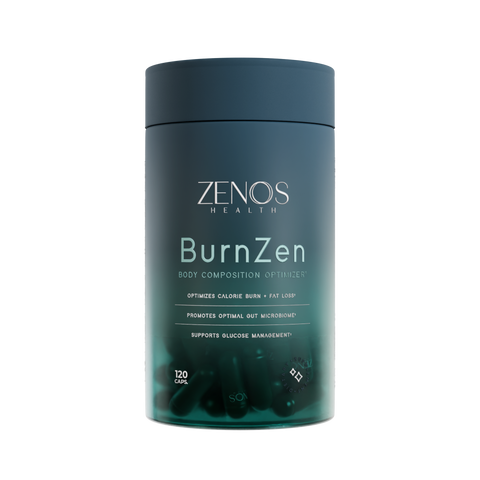
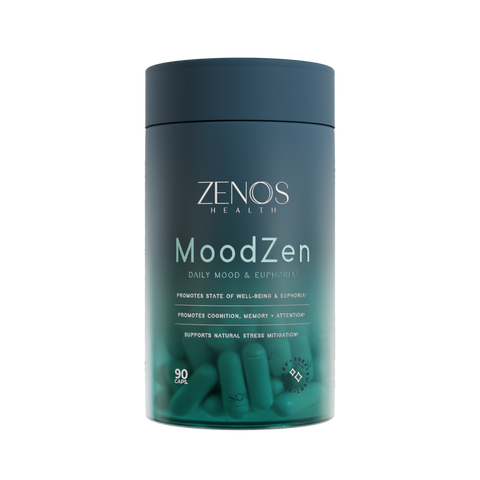
Products Containing Saffron Extract
References
2. Al-Awthan YS, et al. Exploring the Potential of Saffron as a Therapeutic Agent in Depression Treatment: A Comparative Review. Pharmaceuticals. 2024;17(10):1268. [PMC](https://pmc.ncbi.nlm.nih.gov/articles/PMC11426294/ )
3. Farkhondeh T, et al. Interaction of Saffron and Its Constituents with Nrf2 Signaling Pathway: A Review. Iran J Basic Med Sci. 2022;25(8):903-919. [PMC](https://pmc.ncbi.nlm.nih.gov/articles/PMC9392575/ )
4. Mashmoul M, et al. Saffron: A Natural Potent Antioxidant as a Promising Anti-Obesity Drug. Antioxidants. 2013;2(4):293-308. [PMC](https://pmc.ncbi.nlm.nih.gov/articles/PMC4665515/ )
5. Ghaderi A, et al. Saffron, as an Adjunct Therapy, Contributes to Relieving Depression Symptoms: An Umbrella Meta-Analysis. Pharmacol Res. 2022;175:105963. [PubMed](https://pubmed.ncbi.nlm.nih.gov/34757208/ )
6. Kell G, et al. Effects of Saffron Extract Supplementation on Mood, Well-Being, and Response to a Psychosocial Stressor in Healthy Adults. Front Nutr. 2021;7:606124. [PMC](https://pmc.ncbi.nlm.nih.gov/articles/PMC7882499/ )
7. Lopresti AL, et al. Effects of Saffron on Sleep Quality in Healthy Adults With Self-Reported Poor Sleep. J Clin Sleep Med. 2020;16(6):937-947. [PubMed](https://pubmed.ncbi.nlm.nih.gov/32621587/ )
8. Gout B, et al. Satiereal, a Crocus sativus L Extract, Reduces Snacking and Increases Satiety in a Randomized Placebo-Controlled Study of Mildly Overweight, Healthy Women. Nutr Res. 2010;30(5):305-313. [ScienceDirect](https://www.sciencedirect.com/science/article/abs/pii/S0271531710000655)