Lion's Mane Mushroom
What Is Lion's Mane Mushroom?
Lion's mane (Hericium erinaceus) is an edible mushroom with long, cascading white spines that resemble a lion's mane. It has a long history of use in traditional East Asian cooking and wellness practices and is one of the most popular functional mushrooms today.
Its fruiting body and mycelium contain compounds called hericenones and erinacines, which researchers study for their role in brain and nerve health.
How Does Lion's Mane Work?
Laboratory research suggests hericenones and erinacines may stimulate nerve growth factor (NGF), a protein involved in the growth and maintenance of nerve cells. Human research is still limited but growing.
Benefits of Lion's Mane
Cognitive Support
A small clinical trial in older adults with mild cognitive decline reported improved cognitive scores while they were taking lion's mane, with scores returning toward baseline after it was stopped.
Focus and Mental Clarity
Lion's mane is commonly included in focus-oriented blends, often alongside caffeine or adaptogens such as rhodiola.
Mood
Early studies have explored lion's mane for everyday mood support.
Dosage and How to Use
Studies have used roughly 1 to 3 g per day of mushroom powder or equivalent extracts. Lion's mane is available in capsules, powders and functional drinks such as mushroom coffee.
Avoid lion's mane if you are allergic to mushrooms. Check with your healthcare provider before use if you are pregnant, breastfeeding or taking medication.
Frequently Asked Questions
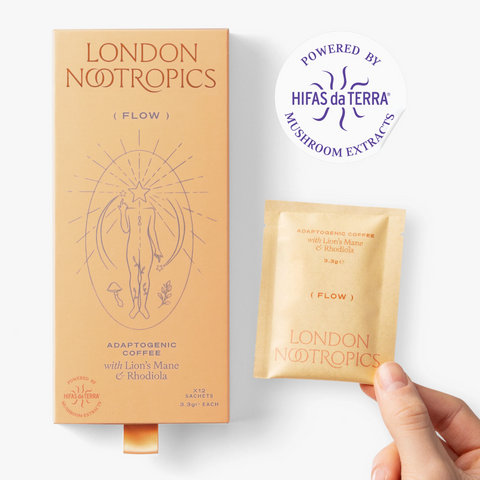
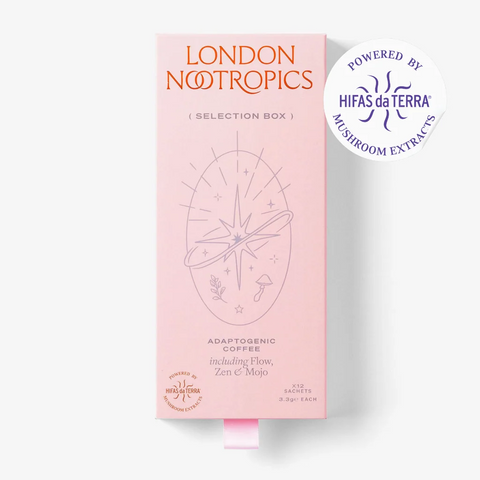
Products Containing Lion's Mane
References
2. Friedman M. Chemistry, Nutrition, and Health-Promoting Properties of Hericium erinaceus (Lion's Mane) Mushroom Fruiting Bodies and Mycelia and Their Bioactive Compounds. Journal of Agricultural and Food Chemistry. 2015;63(32):7108-7123.