Biological Age
What Is Biological Age?
Biological age is an estimate of how old your body is functioning at the cellular and physiological level. It can differ from chronological age, which is simply the number of years since you were born.
Two people who are both 45 can have different biological ages depending on genetics, lifestyle, environment and health history.
How Is Biological Age Measured?
Scientists have developed several tools, often called aging clocks, that estimate biological age from biomarkers. The most widely studied use DNA methylation patterns, which change in predictable ways as we age. Other approaches use blood biomarkers, physical measures or a combination.
What Affects Biological Age?
- Sleep quality and duration
- Physical activity and muscle strength
- Diet and body composition
- Smoking and alcohol use
- Chronic stress
- Genetics and medical history
Why Biological Age Matters
Research links older biological age estimates with higher risk of age-related conditions. Because some influences are modifiable, biological age is used as a way to track how lifestyle changes may be affecting the body over time.
Biological age tests are informational and are not a diagnosis. Discuss your results with a healthcare provider.
Frequently Asked Questions
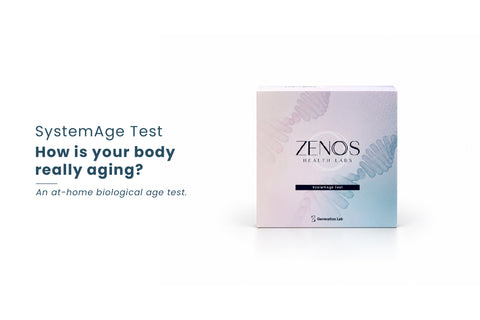
Measure Your Biological Age
References
2. Lu AT, et al. DNA methylation GrimAge strongly predicts lifespan and healthspan. Aging (Albany NY). 2019;11(2):303-327.