Adaptogens
What Are Adaptogens?
Adaptogens are a group of plants and mushrooms traditionally used to help the body adapt to physical, mental and environmental stress and return to balance. The term was introduced in the mid-20th century to describe substances that support the body's general resistance to stress without pushing any single function too far in one direction.
Well-known adaptogens include ashwagandha, rhodiola rosea, ginseng species, cordyceps and, in a broader sense, functional mushrooms such as lion's mane.
How Do Adaptogens Work?
Research suggests adaptogens interact with the body's stress-response system, especially the hypothalamic-pituitary-adrenal (HPA) axis that regulates cortisol, as well as with cellular pathways involved in energy production and protection against stress.
Their effect is usually described as normalizing: helping the body respond to a stressor and then recover, rather than stimulating or sedating it.
Common Adaptogens
- Ashwagandha: a root from Ayurvedic tradition, studied for stress and sleep support.
- Rhodiola rosea: a root from cold mountain regions, studied for fatigue and mental performance.
- Cordyceps: a functional mushroom traditionally used for energy and endurance.
- Siberian ginseng (eleuthero): a root traditionally used for stamina.
How Adaptogens Are Used
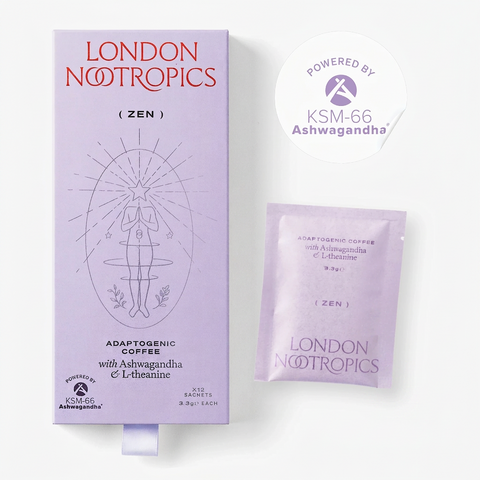
Adaptogens are taken as capsules, powders, teas or blended into foods and drinks such as functional coffee. Effects are generally gradual and are best evaluated over several weeks of consistent use.
Adaptogens can interact with medications and are not recommended for everyone. Speak with your healthcare provider before use, especially if you are pregnant, breastfeeding or taking prescription medication.
Frequently Asked Questions
Products With Adaptogens


References
2. National Center for Complementary and Integrative Health. Rhodiola. [nccih.nih.gov](https://www.nccih.nih.gov/health/rhodiola)