

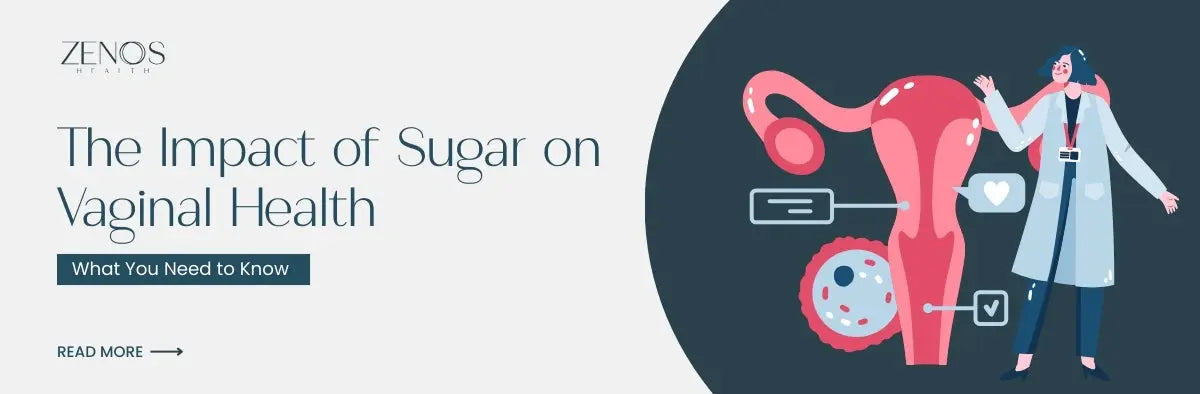

High sugar intake disrupts vaginal pH and promotes infection-causing bacteria and yeast growth.
Excessive dietary sugar increases the risk of bacterial vaginosis (BV) and recurrent yeast infections.
Sugar suppresses immune function, making you more vulnerable to vaginal infections.
Natural sugars contain fiber that slows absorption, unlike processed sugars that spike blood glucose.
Probiotic supplementation helps restore vaginal microbiome balance disrupted by sugar.
If you notice that every time you eat sugar, you get a yeast infection describes your experience; you are not imagining the connection. Clinical evidence establishes a direct relationship between dietary sugar intake and vaginal infection risk.
Your vaginal microbiome contains millions of bacterial cells, with lactobacilli species comprising 70 to 95% in healthy women. These bacteria produce lactic acid that maintains an acidic pH between 3.8 and 4.5, creating an environment hostile to harmful organisms. When dietary sugar elevates blood glucose levels, glucose-rich vaginal tissue provides fuel for Candida albicans and harmful bacteria, allowing them to outcompete your protective lactobacilli.
High glycemic foods and refined carbohydrates trigger a cascade of disruption throughout your body, including your vaginal microbiome.
Blood Sugar Spikes Create Infection Risk: Rapid absorption of processed sugars causes blood glucose spikes. Vaginal tissue perfused by glucose-rich blood creates ideal conditions for Candida and harmful bacteria. Research demonstrates a correlation between elevated blood sugar levels and recurrent yeast infections.
Sugar Weakens Your Immune Defense: Elevated glucose impairs neutrophil function, phagocytic capacity, and lymphocyte activity. Women with poorly controlled blood sugar show 2 to 3 times higher incidence of vaginal infections. This explains why can too much sugar cause feminine itching is such a common question.
Harmful Organisms Outcompete Good Bacteria: Candida species and Gardnerella vaginalis metabolize available glucose more efficiently than lactobacilli. This metabolic advantage leads to pathogenic overgrowth. Supporting your vaginal microbiome with formulations like VZen helps restore lactobacilli dominance when dietary factors cause depletion.
[[product:vzen-probiotics-vaginal-health-supplement]]
Clinical evidence establishes a dose-dependent relationship between dietary sugar and yeast infection incidence. So does sugar cause yeast infections? The research says yes.
Vulvovaginal candidiasis affects approximately 75% of women at least once during their reproductive years, with 5 to 8% experiencing recurrent infections. Data identifies yeast infections as the second most prevalent vaginal infection in the United States.
Candida albicans demonstrates enhanced adherence to vaginal cells in high-glucose conditions. Can too much sugar cause a yeast infection? When blood sugar remains elevated, Candida finds the perfect environment to multiply. Symptoms include thick cottage cheese-like discharge, vulvovaginal itching, burning during urination, and discomfort during intercourse.
Clinical Note: If sugar consumption consistently precedes symptomatic episodes, consider metabolic screening, including fasting glucose and HbA1c, alongside standard treatment.
If you already have a yeast infection, continuing high sugar intake feeds the Candida you are trying to eliminate. Does sugar make yeast infections worse? Absolutely. High sugar consumption during an active infection can prolong symptoms and reduce treatment effectiveness.
This is why dietary modification should accompany antifungal treatment. Reducing sugar intake while treating an infection creates conditions where beneficial bacteria can reestablish dominance faster.
Can sugar cause BV? Epidemiological studies have established a positive correlation between high glycemic diets and bacterial vaginosis prevalence.
Bacterial vaginosis represents the most common cause of vaginal symptoms among women aged 15 to 44. BV occurs when polymicrobial overgrowth replaces lactobacillus-dominated flora. Women consuming the highest amounts of dietary sugars show 1.5 to 2 times increased BV prevalence. High-carbohydrate diets correlate with reduced vaginal lactobacillus colonization.
For comprehensive urinary tract support alongside vaginal health, UriZen provides targeted kidney and bladder support that complements vaginal microbiome restoration.
[[product:urizen-supplement-for-kidney-health]]
Understanding what foods throw off your pH balance helps you make protective dietary choices.
Foods to Minimize:
Refined sugars and syrups
White bread and refined flour products
Sweetened beverages, including fruit juices
Fried foods are high in trans fats
Excessive alcohol (high sugar content) causes vaginal dryness.
Foods for Healthy Vag:
Non-starchy vegetables like celery, garlic, and leafy greens
Berries: strawberries, blueberries, and raspberries
Legumes: lentils and chickpeas
Plain Greek yogurt with live cultures
Fermented foods like kefir, sauerkraut, and kimchi
Natural sugars from whole foods contain fiber that slows glucose absorption, preventing blood sugar spikes. The gut-vagina axis means maintaining gut health directly influences vaginal flora.
When dietary sugars have disrupted your vaginal microbiome, evidence-based supplementation provides clinical support to restore balance.
Our Clinical Differentiation:
Strain Specificity: We use only Lactobacillus strains with demonstrated efficacy for vaginal colonization and pH restoration.
Clinically Studied Doses: Our formulations deliver therapeutic CFU counts consistent with doses proven effective in systematic reviews.
Female-Focused Formulation: Our VZen formula addresses vaginal flora optimization, urinary tract support, and digestive health.
Quality Testing: Every batch undergoes independent testing for strain identity, potency, and purity.
For comprehensive female wellness, explore UriZen for urinary health and BeautyZen for skin clarity. Browse our Female Health collection to match a formula to your health goals.







Leave a comment
Comments will be approved before showing up.