


What you eat does not stay in your stomach. The nutrients you absorb, and the bacteria you feed, influence your entire body, including your vaginal microbiome. A healthy vaginal environment depends on a balanced pH (typically between 3.8 and 4.5) and a thriving population of protective Lactobacillus bacteria. Diet plays a direct role in maintaining both.
Certain foods good for your vagina support that balance, while others can disrupt it. Understanding the connection between nutrition and vaginal health helps you make choices that protect against infections, irritation, and discomfort.
Your gut microbiome and vaginal microbiome are connected. Gut bacteria influence systemic inflammation, immune function, and even which bacterial strains colonize the vaginal tract. A diet rich in fiber, probiotics, and anti-inflammatory nutrients supports a diverse, resilient microbiome. A diet heavy in sugar, processed foods, and alcohol does the opposite [1].
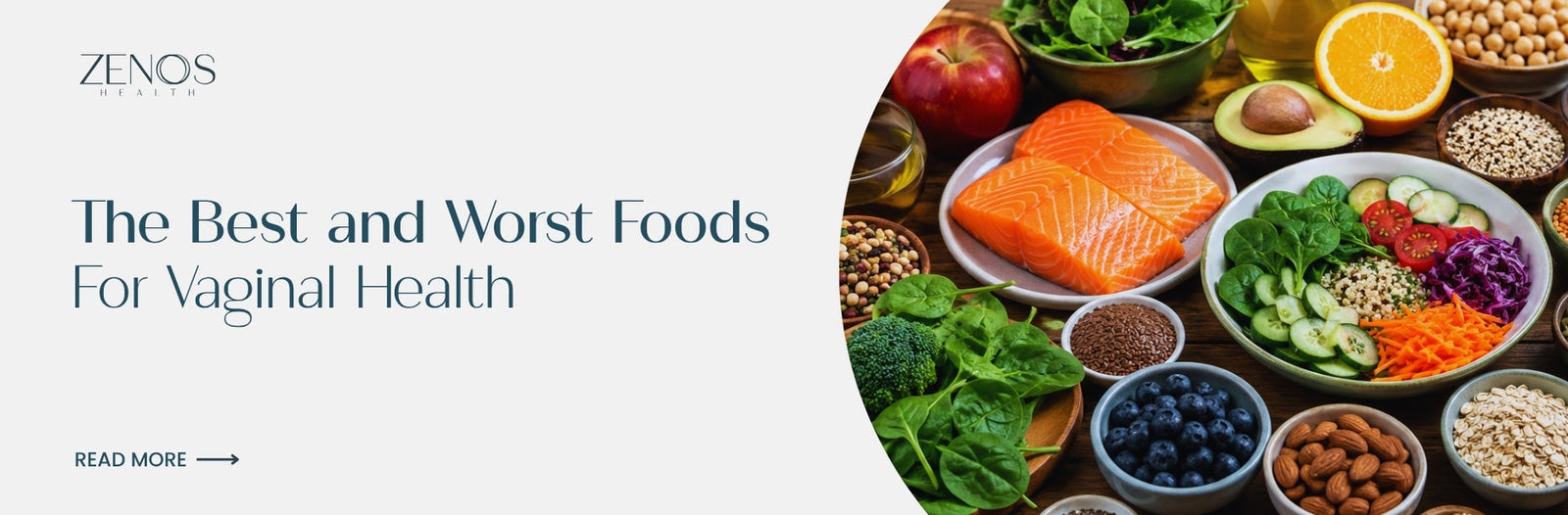
Foods good for vaginal health generally support pH balance, feed beneficial bacteria, and reduce systemic inflammation. Here are the categories worth prioritizing.
Yogurt (with live active cultures), kefir, kimchi, sauerkraut, and miso provide beneficial Lactobacillus strains that support both gut and vaginal microbiome balance. Regular consumption helps maintain the acidic pH that protects against infections [1].
Cranberries contain proanthocyanidins (PACs), compounds that may help prevent certain bacteria from adhering to the walls of the urinary tract. Unsweetened cranberry juice or whole cranberries are the best options, as added sugar counteracts the benefit [2].
Vegetables, legumes, whole grains, and fruits feed beneficial gut bacteria through prebiotic fiber, which indirectly supports vaginal flora diversity. A fiber-rich diet also helps stabilize blood sugar, reducing the risk of yeast overgrowth [1].
Salmon, sardines, walnuts, flaxseeds, and chia seeds provide anti-inflammatory omega-3s that support immune function and reduce systemic inflammation, both of which benefit vaginal and reproductive health.
Adequate hydration supports mucosal membranes throughout the body, including vaginal tissue. Well-hydrated tissue is more resistant to irritation and better able to maintain its natural protective moisture.
What foods are bad for pH balance? Foods that spike blood sugar, promote inflammation, or feed harmful bacteria can disrupt vaginal health over time.
High sugar intake raises blood glucose, creating an environment where yeast (Candida) thrives. Frequent consumption of sweets, white bread, pastries, and sugary drinks has been linked to increased risk of yeast infections [1].
Alcohol disrupts gut microbiome diversity, weakens immune function, and can cause dehydration, all of which negatively affect vaginal health. Moderation is key.
Processed foods high in preservatives, artificial ingredients, and trans fats promote systemic inflammation, which can shift the vaginal microbiome away from protective Lactobacillus dominance.
Diet is foundational, but targeted supplementation can provide additional support. VZen™ combines PaCran® Cranberry, DE111® (a gut probiotic), and PreforPro® to support digestive comfort, urinary tract health, and overall female wellness.
Being honest with you: VZen supports gut and urinary health, which are connected to vaginal wellness through the gut-vaginal axis. However, VZen does not contain named Lactobacillus strains specifically studied for vaginal colonization. For targeted vaginal probiotic therapy, consult your healthcare provider.
Support your body from the inside. Shop VZen.






Leave a comment
Comments will be approved before showing up.